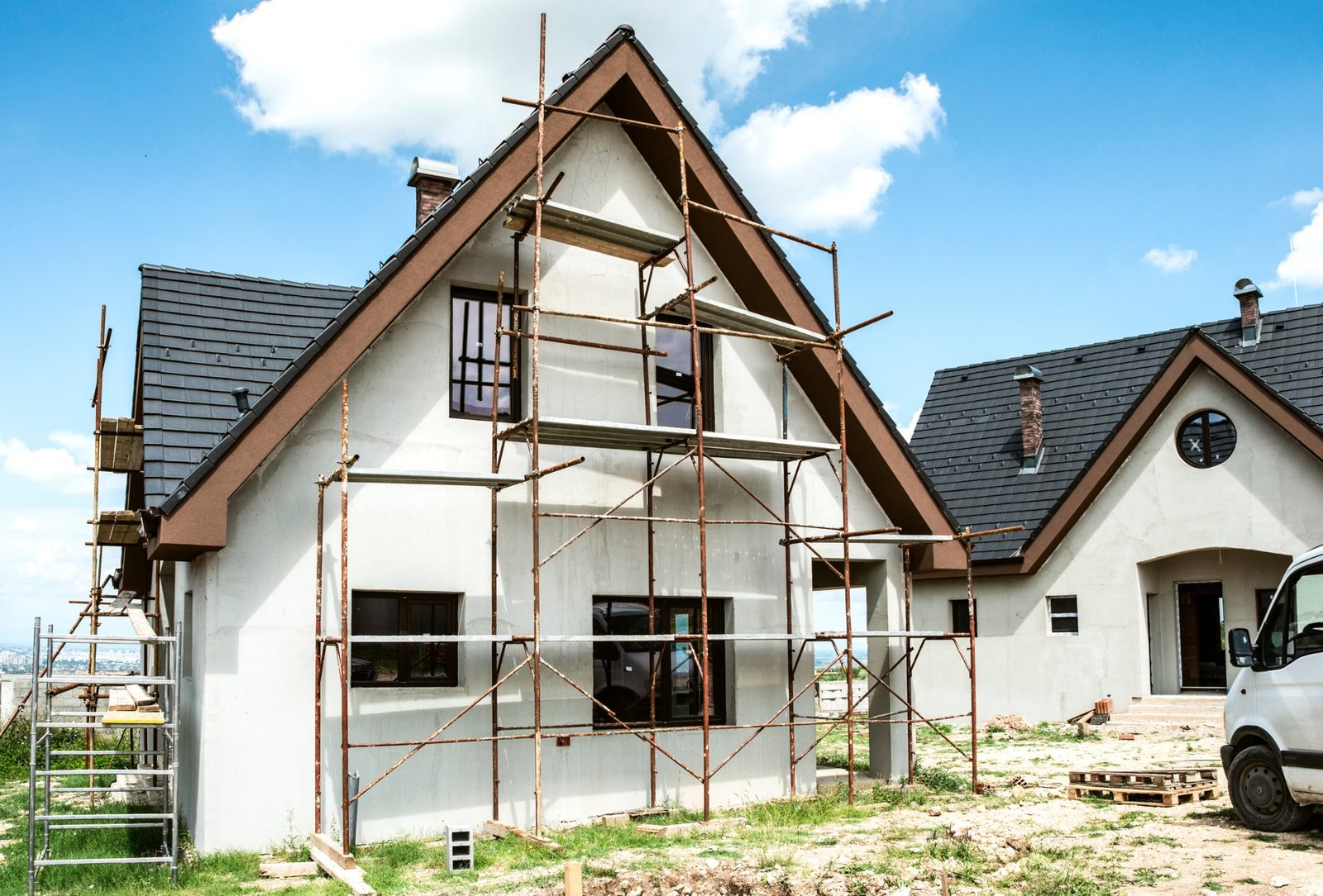
For most builders, approval is the moment of truth.
The house is finished. You've invested time, energy and money. And now comes the inspection.
The problem isn't the approval itself. The problem is being unprepared.
Delays of several months, supplementing documentation or even the need for additional modifications. This happens more often than builders think. How much does a construction mistake cost.
Let's go through how to prepare documentation so that approval doesn't catch you off guard.
What is needed for approval
Each building authority may have slightly different requirements, but generally you need to prepare:
- construction diary
- as-built project documentation
- inspection reports
- material certificates
- test protocols
- statements from relevant authorities
- any changes from the project
One word is crucial: provability.
The authority wants to see that the construction was carried out in accordance with the project and standards.
Most common problems during approval
1. Incomplete construction diary
Regular entries are missing. Changes are not recorded. Photo documentation is disorganized.
In such a case, the authority may require additional documentation. That means delays.
2. Difference between project and reality
Changes were made on site. Something was adjusted 'operatively'.
If these changes are not documented and drawn, a problem arises.
3. Missing inspection reports
Electrical, chimneys, pressure tests, gas.
Without these documents, approval will not proceed.
4. Disorganized documentation
You have everything, but:
- part is in email
- part in a binder
- part on your phone
- part with the contractor
Searching for documents then takes days. Digital construction diary solves this problem by storing everything in one place.
Why stress arises around approval
Because documentation is dealt with at the end.
But the right approach is the opposite.
Documentation must be built continuously.
Every entry, every photo, every change.
When you postpone it, chaos arises at the end. And chaos costs time. online construction supervision can help keep documentation in order from day one.
How to simplify preparation for approval
1. Document continuously
Don't wait until the end of construction. Each important phase should have:
- an entry
- photos
- saved documents
2. Record changes from the project
Every change must be recorded. Ideally with a date and reason.
3. Keep all documents in one place
Not in four apps. Not in ten folders. In one place.
4. Think about inspection in advance
It's good to go through a checklist before the actual approval:
How much can unpreparedness cost you
Delay of approval by 3 to 6 months.
Additional work. New inspections. Repeated checks.
Costs can reach tens of thousands of crowns.
And most importantly, the ability to legally use the house is postponed.
How to prevent it
Approval is not a one-time event. It's the result of how you manage construction from day one.
If:
Then approval is not stress. It's a formality.
Summary
Approval scares mainly those who deal with documentation at the end.
When you document continuously and have a system, it's just the last step.
And this is exactly where most self-builders underestimate preparation.
Building is not just about masonry. It's also about paperwork. And it's better to handle it continuously than under pressure.
Want to have documentation under control from day one?
Try Stavario for free – construction diary, photo documentation and documents in one place.
14 days free. No credit card required.
Related articles

Most common mistakes in construction diary management
Irregular entries, missing signatures and insufficient documentation.
Read the full analysis
Most common mistakes when building a house yourself
Project documentation, waterproofing, budget and choosing contractors.
Read the full analysis
How to keep your construction budget under control
Why the budget often gets out of hand and how to maintain control.
Read the full analysis
Author
Josef Beneš
Construction manager · 20+ years of experience